CQM has extended PTZ camera-based remote monitoring to all industries under Directive No. 98 in the NCR.
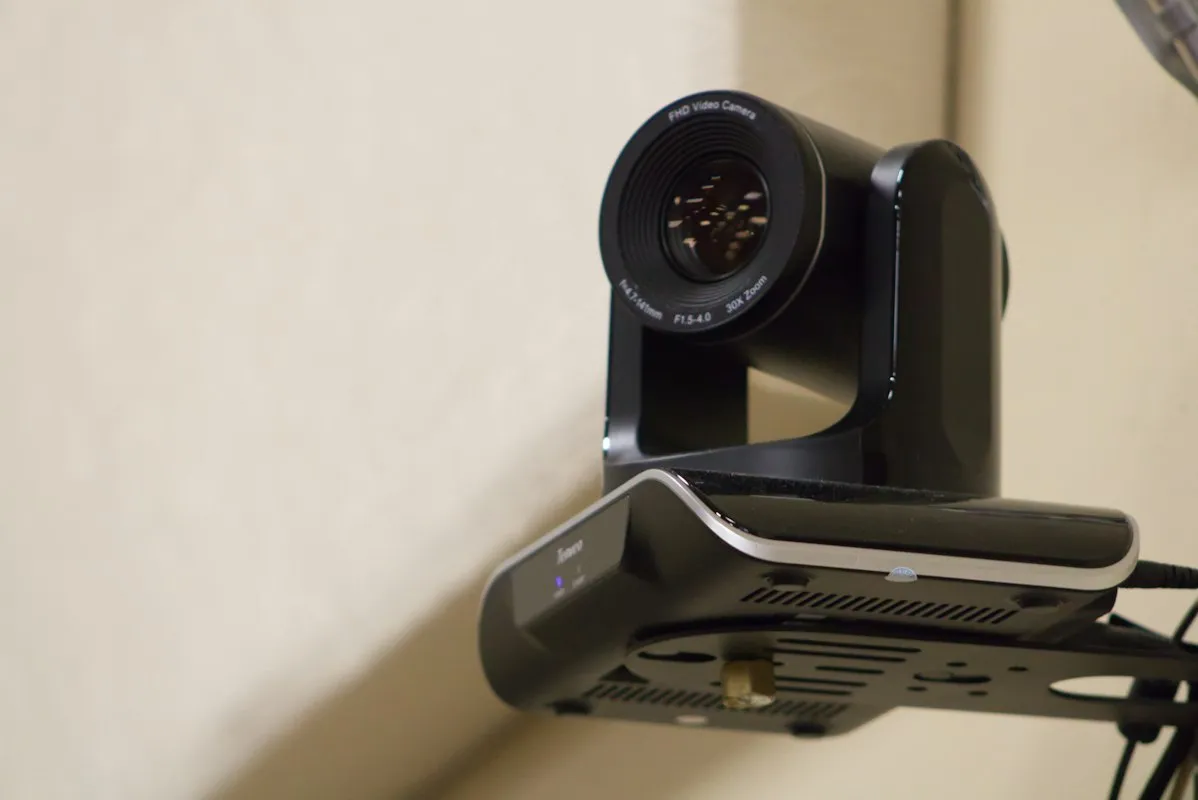
The Capital Region Environment Management Corporation (CREMC) has introduced a new measure to control industrial pollution in NCR’s urban areas. A PTZ camera-based remote monitoring system has been implemented for all factories falling under Directive No. 98, enabling 24x7 surveillance of industrial activities.
The Capital Region Environment Management Corporation (CREMC) has taken a significant step to improve air quality and control industrial pollution in the Delhi-NCR region. The organization has expanded its new “camera-based remote monitoring” system to cover all industrial units located in areas identified as “Pollution Triggered Zones” (PTZ) within the NCR. This initiative specifically targets industries falling under the scope of “Directive No. 98” issued by the CREMC. Factories and plants that meet all the criteria and conditions specified in this directive are now required to connect to this new surveillance system.
The primary objective of this new monitoring system is to conduct real-time surveillance of pollution-generating activities. Under this system, high-resolution cameras have been installed on the rooftops and smoke-emitting chimneys of industries, which are directly linked to the CREMC’s control room. This setup helps officials ensure that no industry is engaging in activities that raise pollution levels, such as emitting smoke without filters or burning raw materials in quantities exceeding the permitted limits.
According to CREMC administrative officials, the Air Quality Index (AQI) in PTZ areas often reaches hazardous levels, with industrial emissions considered a major contributing factor. Special stringency is being applied to industries falling under Directive No. 98, as these areas are located within Delhi and the surrounding municipal corporations. Through remote monitoring, if any camera detects improper activity, a notice is immediately sent to the concerned industry, or arbitration proceedings are initiated if necessary.
This expanded monitoring system not only aids in preventing pollution but also provides a data-based framework. Previously, disputes often arose between industries and pollution control authorities regarding the level of pollution. Now, the situation is clarified based on camera footage and online data. The CREMC has informed all relevant industry owners that they must connect their plants to this remote monitoring network within the stipulated time limit. Legal action may be considered against industries that fail to comply with this directive.
This step is welcome news for the residents of Delhi and NCR, as it will enable an effective check on the black smoke and harmful particles emitted from industrial areas. The CREMC claims that this technical intervention will lead to a structural improvement in regional air quality. In the coming days, this monitoring system is expected to be further refined, including the integration of an automated warning system using Artificial Intelligence (AI).